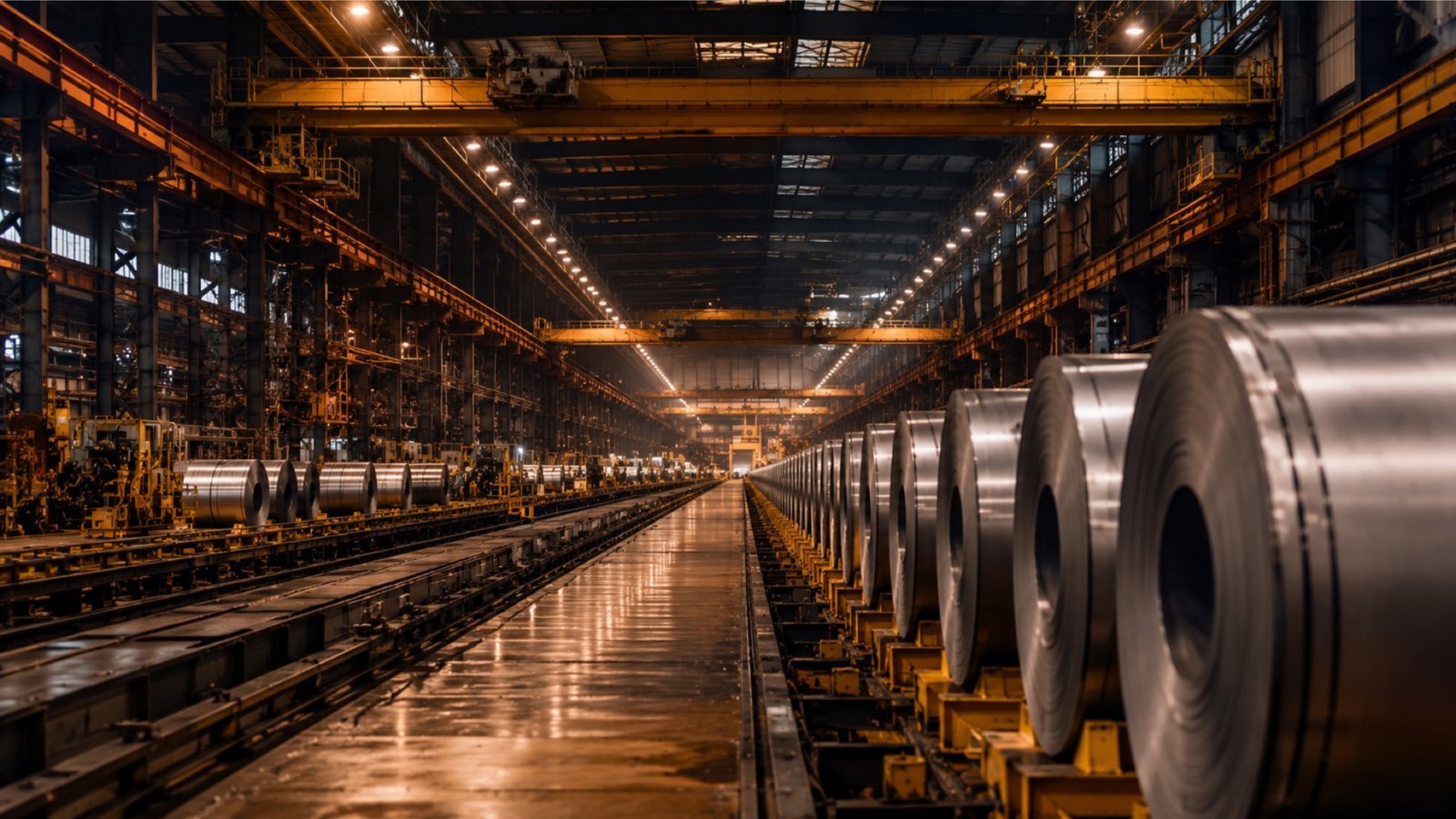
Aluminium evidence frequently turns on installation attribution, electricity and energy data, the distinction between primary and secondary routes, material inputs and allocation. Where actual values are used, the documentary chain needs to show which production route and source records sit behind the reported value.
Regulatory content last reviewed14 September 2026
Aluminium evidence often needs to connect the product and installation to the relevant primary or secondary production route, electricity and other energy data, material inputs, production quantity, allocation and the source records behind the calculation. The documentary chain matters because electricity intensity, route and input mix can materially affect the information reported.
installation attribution and operator identity
primary and secondary production routes
electricity consumption and its documented basis
direct and relevant indirect emissions treatment
precursor aluminium inputs
primary, recycled and mixed material information where relevant
Typical breaks include aluminium attributed to the wrong installation, electricity data taken from a corporate or site-wide source without a clear link to the production process, primary and recycled routes mixed in the same calculation population, inconsistent tonnage, or a changed allocation workbook without a corresponding documentary explanation. Precursor or upstream input evidence can also become detached from the period actually reported.
A producer may need to support installation identity, the applicable production route, production quantities, electricity and fuel records, material or precursor inputs where relevant, the allocation method and the source data feeding the embedded-emissions calculation. The file should distinguish the evidence for primary and secondary routes when that distinction matters to the reported position.
The importer should be able to connect the aluminium goods and imported quantity to the actual producer and installation, the relevant reporting period, the emissions information communicated by the operator and the documentary package supporting it. Corporate-level sustainability data or a supplier declaration alone may be insufficient if the imported goods cannot be tied to the production source.
Version control matters when electricity factors, production quantities, allocation rules or route information change. The reviewed record should show which monitoring-plan and calculation versions applied, whether a later correction replaced an earlier value, and how the revised evidence affects the aluminium figure ultimately relied upon.
Preparation for verification means being able to trace the aluminium calculation through installation, route, electricity and energy data, production quantity, material inputs, allocation and corrections. WEETRA can organise and test that record without assuming or pre-determining the accredited verifier’s independent conclusion.
WEETRA looks for continuity between the imported aluminium product, the producer and installation, the production route and energy data, the calculation, the versions and the source records. Where competing documents exist, the review records which version is applicable and what the available evidence still cannot establish.
For aluminium, the later record should preserve the route, installation, electricity and energy basis, material inputs, allocation and any revised source data so that the reported value can still be reconstructed after the original reporting cycle.
WEETRA aluminium cases include installation-attribution and supplier-evidence problems where commercial or corporate records did not clearly establish the manufacturing source behind the reported value. They illustrate why route, quantity and source continuity matter beyond possession of a calculation file.
Official regulatory sources are used to describe the current legal position. WEETRA commentary explains documentary implications and is not legal advice.